Showing posts with label El Fayoum. Show all posts

Wednesday, 9 August 2017

Wadi El Rayan Protectorate - El Fayoum

Wadi El Rayan Protectorate - Fayoum

Established in the year 1989 after declaration by the prime minster of Egypt, Wadi El Rayan protectorate is located in the Fayoum governorate. The area covered by the same is 1759 square km and the same is primarily known for developing management resources protected area and also as a natural heritage of the country. The protectorate is located at a distance of 150 km from Cairo.


Protectorate popularly know for

The integrated desert environment coupled with natural springs, sand dunes, large water bodies, a different botanical life, large variety of flora and fauna and an important area for sea fossils altogether make Wadi El Rayan an important area of Egypt. The El Rayan Lake is characterized by a calm natural environment which till now remains free from pollution.
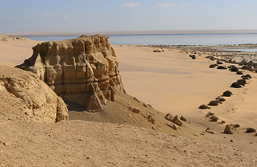

Some important areas of the protectorate

  •  Waterfall area known for various sea sports was formed due to the gathering of drainage waterfalls during farming
  • Qyuon El Ryan area comprises of sand dunes which are long dense and movable and here there are four natural sulfuric springs as well. 15 species of desert plants and wild mammals can be found here alongside 16 species of reptiles and more than 100 species of resident and migratory birds
  • Wadi Al Hitan is a fossil area of the protectorate dating back to 40 million years. Fossils found here were of petrified primitive whales skeletons, shark teeth, shells and other sea animals that are considered as an open museum. The roots of Mangroves preserved in soft rocks. Many animals on the verge of extinction can be found residing here easily and safely
  • The Area of El -Rayan Mountain El -Mashgaeega Mountain, covering deep canyons is also referred as the split rock and is a popular place to see a panorama of Wadi El Rayan and picnics


Fishing at lake Qarun

Abounded with a large variety of fishes and especially Bulti which is the better species than those caught from the Nile, Lake Qarun is a popular spot for fishing. The other species which can be found here due to the increased salt content of the lake are eel, Millet, sole and shrimps. The lake is said to be the largest salt water lake in Egypt which remains open from the mid of June till the mid of April. The discovery of prehistoric fishing tackle some time back at the Fayyoum oasis has given the area a status of hunting and fishing paradise which has remained so since 7200BC. Here many vacation palaces were built during the pharaonic era to help kings indulge in elite hunting expeditions. Also a hunting lodge of the King Farouk here has been now converted into a hotel which is located at the Lake Qarun.


Wadi El Rayan protectorate in Egypt is located in the western desert and is easily reachable from the town of El Fayoum. The protectorate is especially important, as it is a home to the world’s only known population of the endangered slender horned Gazella leptoceros. The Dorcas Gazelle is still found in the area in small numbers, as well as, the Fennec Vulpes zerda and Sand Fox.

Lake Qarun Protectorate - El Fayoum

Lake Qarun Protectorate - El Fayoum


Introduction to lake Qarun Protectorate

Lake Qarun protectorate in Egypt is located in the El Fayoum governorate and was established in the year 1989. The area it covers is about 1358 square kilometers and it’s a type of wetland. The place is easily reachable from Cairo which is located 9- kms from here. The Lake is among the most ancient natural lakes on earth and is a part of the pre existing Morris Lake. The large variety of sea, river and continent fossils have helped the place in becoming globally renowned.


The fossils here date back to about 40 million years. The fossil of the oldest monkey on earth Egyptobethks were also found here dating back to the Oligocene era and also some petrified trees from that period can be found here. Also the area is a home to a large variety of amphibians, reptiles and mammals which make a major part of the environmental system of this area. The presence of historical monuments has helped Lake Quran in emerging as a cultural heritage which attracts a large number of tourists every year.

More about Qarun Protectorate


The place is known popularly for its wetland of international importance for the many water birds. The 276 feedan islet here acts as the best spot for the reproduction of birds especially the flamingo. It helps in incubating and protecting the newly born birds on the lake islets during the time of reproduction. Recognized globally as an important bird area about thousands of migratory birds rest here during the winter season, Some species include Flamingos, grey herons, spoonbills and many duck species, to name a few, flock to the lake during the fall.

The many monuments nearby

The protectorate is a natural wonder as well as many monuments can be found here including As-Sagha (goldsmiths) palace dating back to the Middle Kingdom era and located at the northern part. Three kilometers from here is the Abu Lifa Monastery constructed during the monastic period on an elevated place to keep monks secured from the Romans. The Greek monuments of the area include the old town of Skitnopius, which was once the departure point for the south desert-bound trade caravans. For those who wish to stay nearby several eco lodges, as well as two 5 star hotels are available in Fayoum.

The importance of Lake Qarun

Lake Qarun protectorate in Egypt is among the most treasured and richest landmarks of the country. The place is blessed with not just the beauty and importance for birds but also for its unmatched historical, natural and scientific importance. Gebal Qatarni near the northern part of the lake is said to have the most complete fossil records of marshland mammals and terrestrial primates on earth important for understanding the evolution of human, the area is also being considered as a world heritage site by UNESCO.

Lake Qarun is especially known for the Flamingo birds and the protectorate provides food, shelter and breeding grounds for a wide variety of resident and migrating birds, including several endangered species.